



Start here
Understand the Feeling Before You Fix the Behavior
Most behavior problems are feelings: fear, frustration or worry. The pages below explain how a gentle plan changes those feelings, what you can manage at home and what to ask before you trust anyone with your dog.
Choose your path
Six Guides for Worried Owners
Each guide covers one common problem, from leash lunging to separation distress, with a general price range and honest limits.

Leash Reactivity
Lunging and barking at the end of a leash often comes from worry or frustration, not meanness.
$75 to $150 per lessonRead the guide →
Separation Anxiety
A dog that panics when left alone is not being spiteful.
$600 to $1,800 per programRead the guide →
Storm and Noise Fear
Lowcountry summers bring afternoon thunderstorms, and holidays bring fireworks over the water.
$100 to $200 per home visitRead the guide →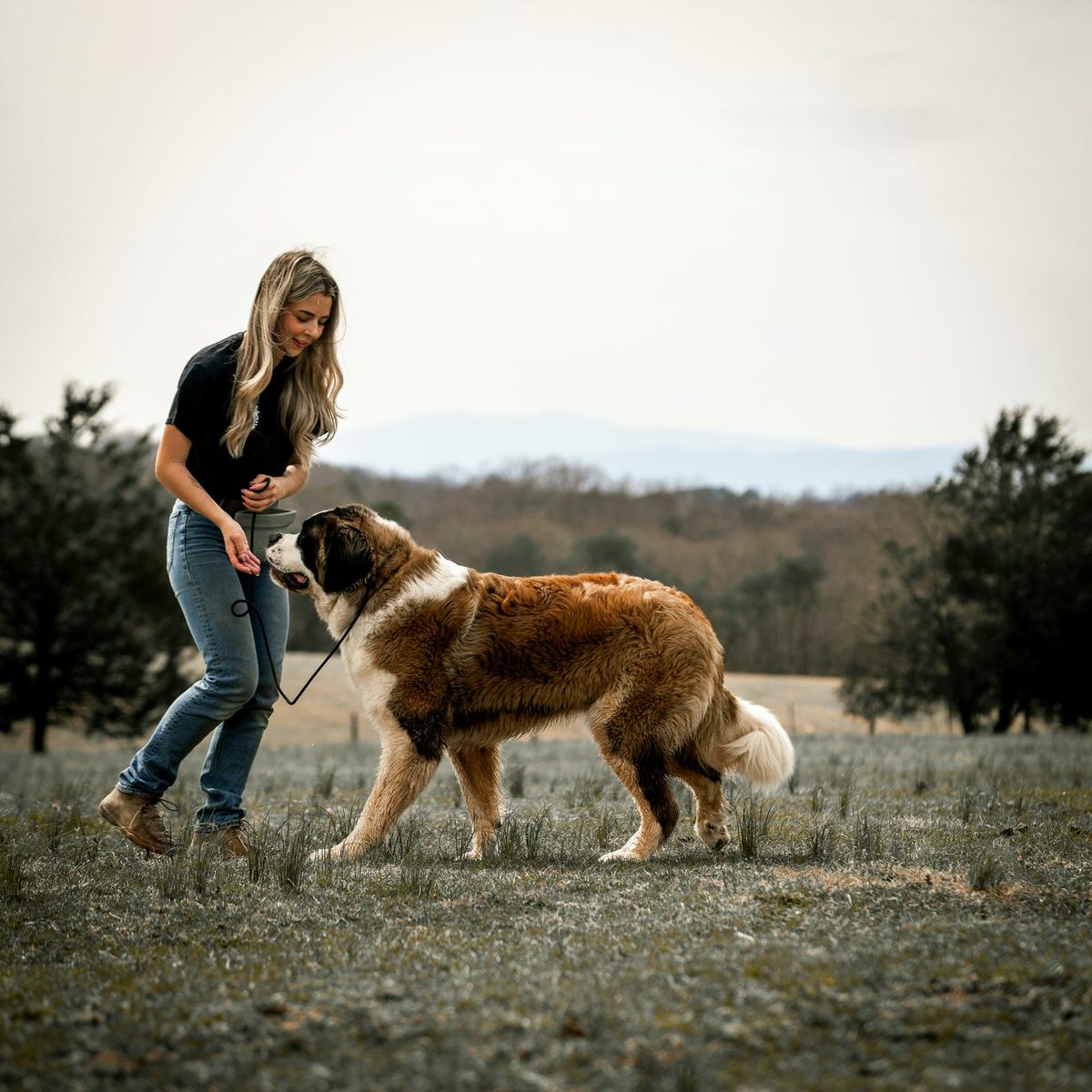
Guarding and Barking
Guarding food, toys or a couch spot is a warning, and barking has a reason too.
$600 to $1,800 per programRead the guide →
Counter-Conditioning
Counter-conditioning means changing how a dog feels about something by pairing it with something great.
$75 to $150 per lessonRead the guide →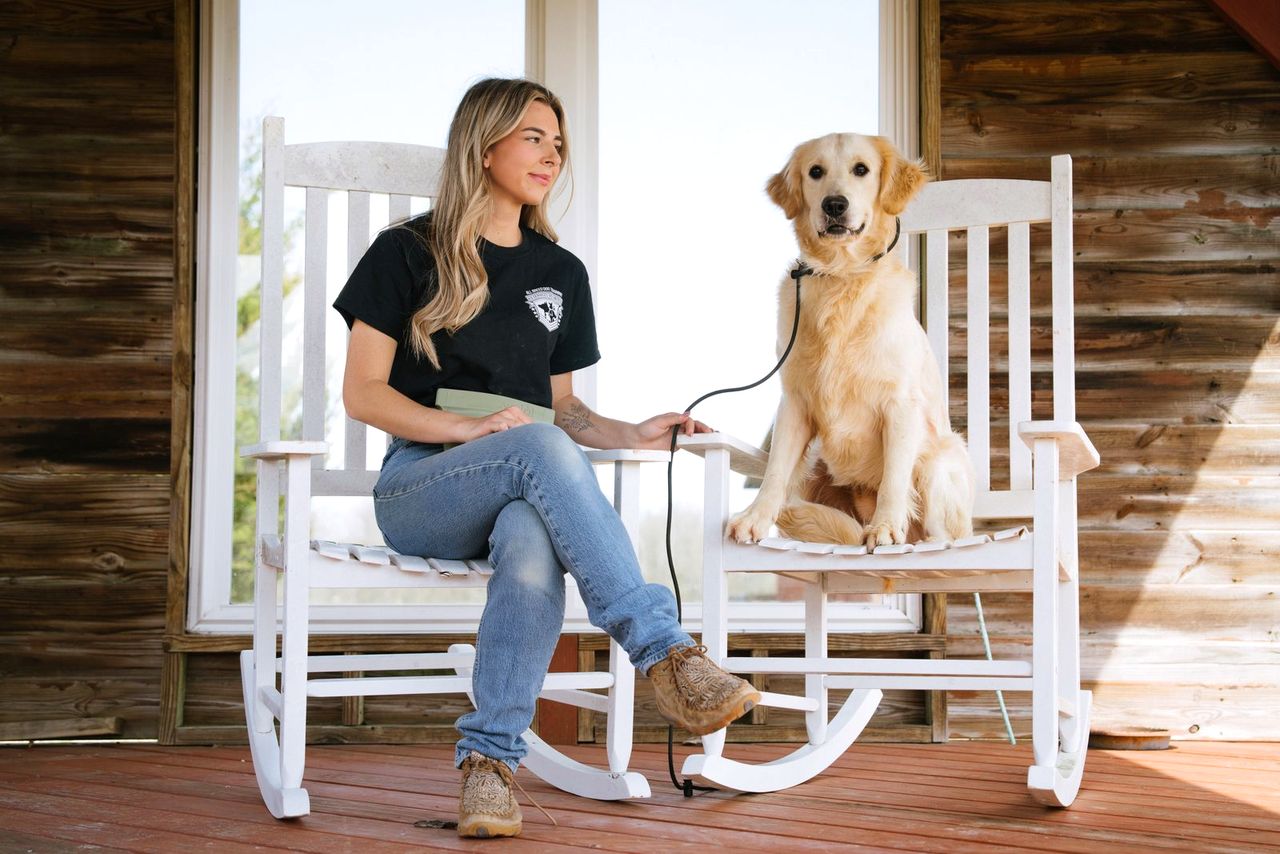
Choosing a Trainer
Behavior work is not regulated the same way as many professions, so you must ask questions.
$600 to $1,800 per behavior programRead the guide →General estimates only. A trainer's experience and your dog's history change the total.
What calm looks like
Soft eyes. Loose leash.
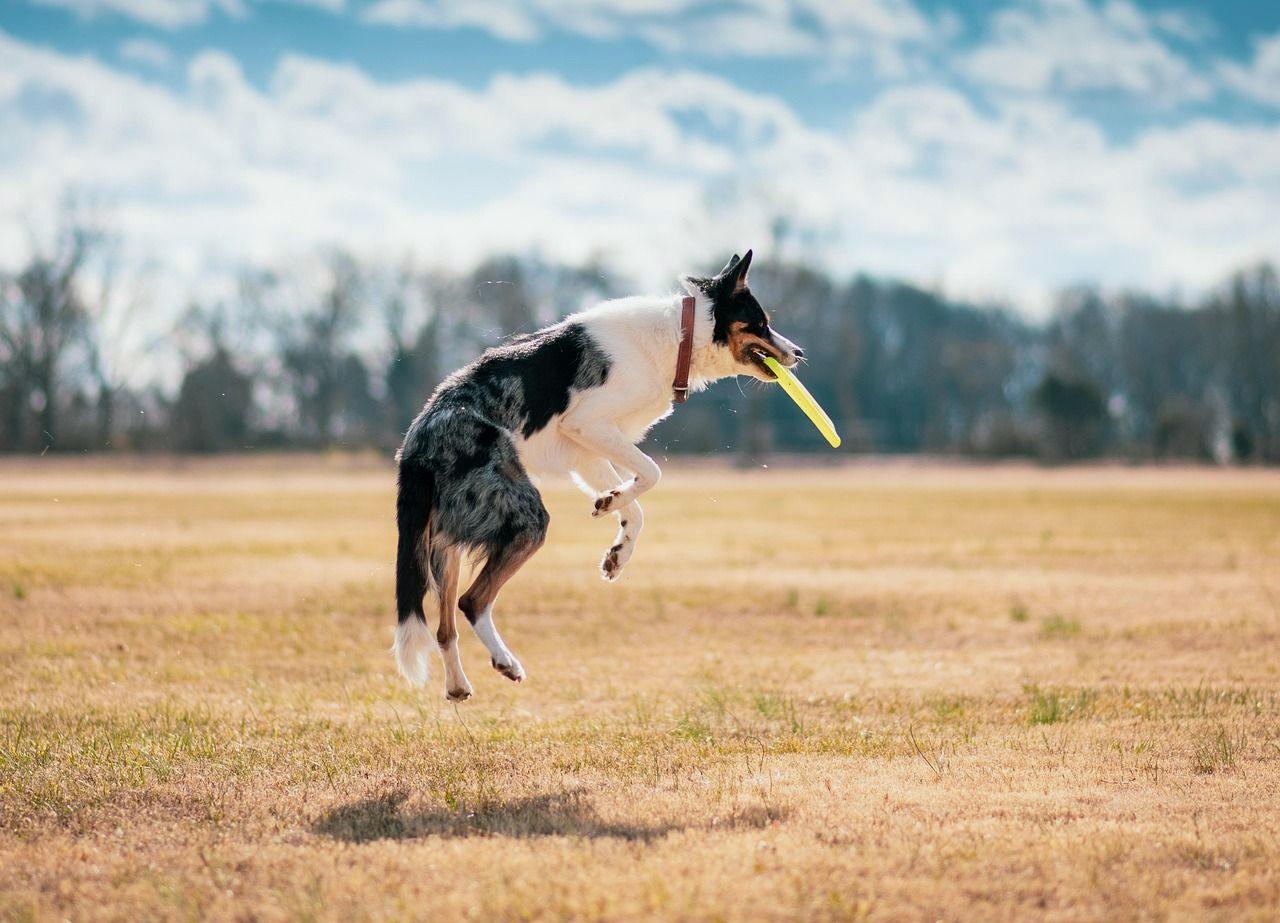
Behavior change looks quiet: a dog that glances at a trigger and then at you, a loose leash on a sidewalk, a settled nap during a storm.


Service areas
Local Notes by Town
Every town page links dog behavior to real local conditions, from beach crowds to storm season.
How this guide works
Gentle words, honest limits.
Operated by K9PN. Read the Disclaimer for details.
How it works
Check. Understand. Practice.
- 01
Check the body first
See your veterinarian about pain, medication or any sudden change before blaming training.
- 02
Understand the feeling
Each guide explains the fear, frustration or worry behind the behavior.
- 03
Practice in small steps
Short, easy sessions at a comfortable distance beat big tests every time.

About the guide
Gentle information, honest limits.
This guide was written for owners who feel stuck with a dog that lunges, panics, guards or barks too much. It explains the ideas behind humane behavior work in everyday words.
It does not diagnose your dog, replace a veterinarian or promise any result. It stays within pet dog behavior and nothing more.
About this guide →Trainer availability
Looking for a Trainer Today?
We are lining up professional trainers in Charleston. Nobody is taking requests from this site yet, so use the guides and your veterinarian in the meantime.
- Vet visit first for pain or sudden change
- Humane methods explained without jargon
- Eight Lowcountry towns, each with its own page
Good questions
Before you begin.
Is a behavior problem always a training problem?
No. Pain, illness, age and stress can all play a part. Call your veterinarian first, especially if the change is new or sudden.
How much does behavior help cost near Charleston?
General estimates run from $75 to $150 per lesson and $600 to $1,800 for a behavior program. Each trainer sets a separate rate.
Can I request a trainer through this site?
Not yet. Nobody is taking requests from this site, and it has no form.
Which methods are red flags?
Be wary of anything built on pain, fear or intimidation, such as shock, prong or choke tools used as the main method.
What is counter-conditioning?
It changes how a dog feels about a trigger by pairing the trigger with something the dog loves, starting at a comfortable distance.
Can anxiety be cured?
No honest trainer promises a cure. Many dogs improve with steady, gentle practice and sometimes veterinary support.